
Track Inflation in Real Time Using Everyday Expenses You Already Pay
One of the biggest challenges impacting everyone is inflation. Rising inflation indicators are problematic whether you are filling up your gas tank, shopping for food, or paying utility bills. Since 2019, prices have seen a 23% increase, and these trends appear to be holding. For households, price inflation makes budgeting and saving more challenging.
Understanding inflation is critical to ensure you are ready, can adjust to it, and make smarter decisions. Economists use complex formulas to determine the inflation rate. You can use some common sense indicators to see the effects of inflation. In this article, we explore some simple ways to check inflation so you can manage your finances effectively.
What is Inflation?
Inflation is when the prices of goods and services are consistently rising over time. Inflation causes your money not to go as far as it used to, which makes things more expensive. Several of the causes of inflation are
Increasing demand for goods and services: The demand for goods and services exceeds the supply, creating high inflation.
Higher production costs: Rising wages and higher commodity prices (raw materials) increase the wholesale costs of producing goods and services.
Government policies: Government policies, including currency rates, interest rates, and tariffs, will have a direct impact on inflation.
Supply chain disruptions: Disruptions to supply chains create shortages and make it harder to deliver goods and services to the markets. Consumers and businesses cannot easily access what they need, which increases prices.
The Effects of Inflation
Inflation will have lasting short and long-term impacts.
Higher costs of living: Inflation makes the things we need more expensive, such as food, housing, and transportation.
Erosion of savings: When inflation rates are higher than current interest rates, the value of your money can decline. You could be losing money on what you have invested in interest-bearing accounts like money markets, and certificates of deposit.
Uncertainties in financial planning: High inflation makes it more challenging to predict and plan for future expenses.
Inflation Indicators to Watch at Home
A common misconception is that inflation requires using difficult formulas to understand the changes in everyday expenses. The reality is that you can track inflation by watching certain things at home. Here are some important inflation indicators to track:
Food prices: Food prices are one of the most noticeable areas of high inflation. When items that you need, such as bread and eggs, become more expensive, this indicates high inflation.
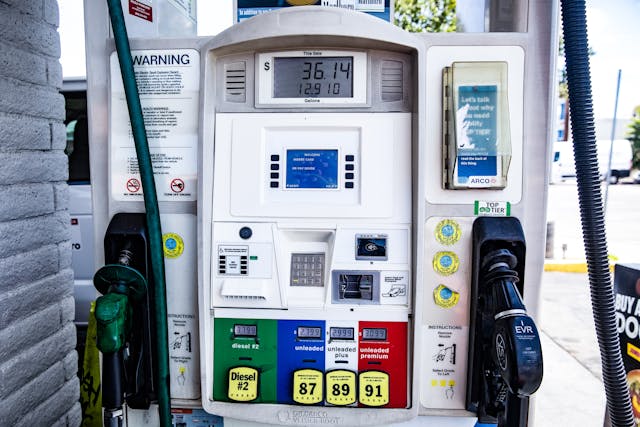
Gasoline and transportation: Watching what you pay at the gas station and for transportation will tell you the effects of inflation. Gasoline is needed to run the economy, from electricity production to transportation. It will tell you if inflation is problematic.
The best way to watch this yourself is to look at the changing prices when you pass by the gas station. Sudden increases could signal strong demand, which will create higher fuel costs. Conversely, when gas prices are falling, this could indicate that demand is falling, causing prices to drop.
Utility bills: Due to high inflation, your utility bills for water, gas, and electricity will increase. We recommend comparing your bills to see how these costs are increasing despite your usage remaining the same.
Housing costs: An increase in rent, property taxes, and maintenance costs are signs of inflation. These changes will show you how inflation is impacting your costs of living.
On average 49.7% of all renters pay more than 30% of their take-home income for housing only. These figures show how high inflation impacts the cost of living.
The Bottom Line
Inflation is an unavoidable economic reality of daily life. Recognizing these inflation indicators will help you make wiser financial decisions. Monitoring food, gas prices, utility bills, and housing costs are critical in adjusting to its impacts. We recommend comparing these costs to see the overall effects of inflation. Being proactive is the key to protecting your budget and cash flow to navigate these challenges more effectively.