
Fueling the Economy: How do Crude Oil Prices Affect Economic Growth?
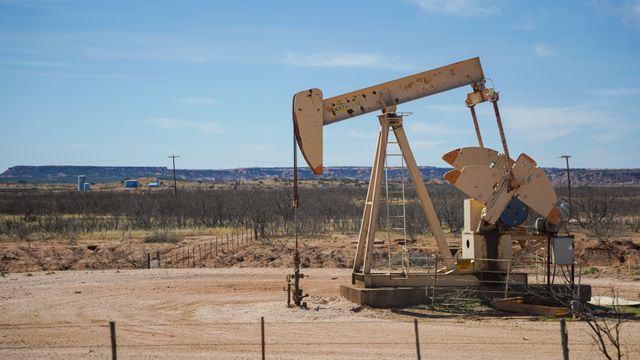
See How Volatility in Crude Oil Prices Influences Inflation, Earnings, Jobs, and Economic Outcomes.
Oil is essential to the global economy, and any changes in crude oil prices triggers ripple effects. Oil powers sectors such as plastics, chemicals, textiles, fertilizers, fuels, heating, and even solar panel production.
Understanding these price impacts is critical for making smart financial decisions. This article examines world oil prices and what they indicate about the future.
Why do Crude Oil Prices Matter?
Oil prices exert a significant influence on the global economy, especially in manufacturing and transport. When prices climb, these effects intensify and slow GDP growth. European Central Bank research indicates that increases in oil prices can reduce GDP growth by 2.0% to 3.5%.
In contrast, falling crude prices can stimulate economic activity. Cheaper oil boosts demand and accelerates the global economy. These shifts influence every economic sector, from manufacturing and retail to shipping and agriculture. Upward or downward shifts in oil prices directly shape demand and steer the world’s economic trajectory.
The Effects of Increasing Crude Oil Prices
Increases in oil prices could have numerous economic consequences, including
Inflation Surges: Price hikes raise the cost of goods and services, straining households and corporate budgets.
Reduced Consumer Spending: As energy bills rise, consumers and businesses have less to allocate elsewhere. Higher fuel prices curtail purchases and lead to cutbacks.
Shrinking Corporate Profits: Lower consumer demand prompts firms to delay hiring and growth. They also shoulder steeper transportation expenses, squeezing profits.
Rising Interest Rates: Elevated oil prices fuel inflation concerns. In response, central banks hike rates to suppress inflation, slowing growth. Sudden spikes have even triggered recessions, as seen in 1973–1974 and 1980 – 1982.
The Effects of Falling Prices
Falling crude prices spur growth in importing countries. Lower prices send positive ripples through the global economy. Here are some impacts:
Inflation Dips: Lower energy prices reduce the costs of goods and services, helping contain inflation.
Rising Consumer Spending: Decreased fuel and energy bills raise disposable income. This boosts consumer confidence and spending, driving GDP growth.
Reduced Corporate Costs: Lower crude prices cut business expenses, lift profits, and spur investment. Firms become more likely to expand, hire staff, and buy equipment.
Regional Variations of World Oil Prices
Changing global oil prices produce contrasting results for importing and exporting nations. Oil exporters such as Saudi Arabia, Russia, and Canada benefit from higher prices, fueling economic growth.
Falling prices directly curb exporters’ profits, straining their economies during extended price declines. A sustained drop in Brent crude prices strains exporters’ finances. These countries may be forced to cut public services and investment. Importers are under strain as rising prices affect both consumers and businesses. This drives inflation and ultimately slows growth.
Conversely, falling prices enable growth for importing countries through increased spending. Lower long-term prices can even spark prolonged booms. For example, in the late 1990s, WTI crude fell below $20 per barrel. This triggered unprecedented growth in importing countries, fueled by increased consumer and business spending.
The Bottom Line
Tracking crude price prices provides insight into future economic conditions. Both serve as leading indicators of industrial output, spending, and inflation. Understanding its impacts on global growth underscores oil’s role as a major economic driver.